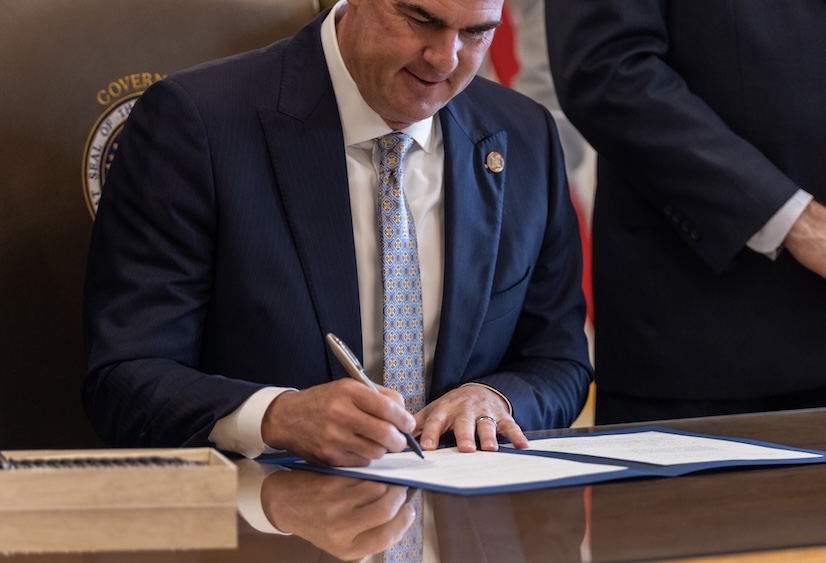
Oklahoma – “Thank you, President Trump, for bringing greater clarity and transparency to vaccine recommendations,” Oklahoma Gov. Kevin Stitt said Aug. 10 after President Donald Trump announced a major overhaul of the federal recommendations for childhood vaccinations.
Earlier that day, Trump signed an executive order directing the federal government to adopt what the administration called “Gold Standard Childhood Vaccine Recommendations.” Stitt said Oklahoma had already taken steps to protect what he described as medical freedom and parental rights and said the state would continue working to ensure families have information to make decisions about vaccinations, according to The White House.
The White House said the new recommendations were intended to protect children from serious diseases while avoiding what the administration described as unnecessary vaccination. The changes followed months of efforts by Trump and Health and Human Services Secretary Robert F. Kennedy Jr. to alter the federal childhood immunization schedule.
Under the order, the number of vaccines included in the federal schedule for routine childhood vaccination was reduced. Reuters reported that the new framework moves the number of routine immunizations from the previous schedule to 11, with several other vaccines placed under a shared clinical decision-making category rather than being universally recommended.
The vaccines placed under shared clinical decision-making include hepatitis A, hepatitis B, rotavirus, meningococcal disease, influenza and COVID-19, according to the executive order. The order also directs federal agencies to review and take steps toward implementing the new recommendations within the limits of existing law, Reuters reported.
Another significant change involves the measles, mumps and rubella vaccine, commonly known as MMR. The administration’s order calls for the combined MMR vaccine to eventually be administered as three separate shots once those single-disease products are available domestically. It also calls for childhood vaccinations, to the maximum extent feasible, to be given at separate medical visits.
The White House described the changes as an effort to bring the United States closer to vaccination practices used in other developed countries. Trump has argued that the United States has recommended more childhood vaccines than peer nations and that the new approach would give parents and doctors greater flexibility.
The move has generated significant opposition from medical organizations and public-health experts. Reuters reported that pediatricians and medical groups criticized the changes, warning that altering the established schedule could create confusion for parents and increase the risk of preventable illnesses.
The Associated Press also reported that the executive order promotes Trump’s longstanding position that certain childhood vaccines should be spaced out over separate medical visits. The order directs the nation’s health department to continue research into vaccines and childhood immunization practices.
The controversy has also extended to some Republican lawmakers. Recent reporting noted criticism from Sen. Bill Cassidy of Louisiana, a physician, who publicly opposed the executive order. Other medical experts have questioned the scientific basis for some of the administration’s arguments surrounding the changes.
The administration has maintained that its approach is intended to give parents more control over medical decisions. The executive order specifically directs federal agencies to consider parental authority and religious freedom while implementing the revised recommendations. It also advises states to review their own vaccination requirements for areas such as school enrollment and attendance.
For Oklahoma, Stitt’s response placed the state among those supporting the administration’s emphasis on parental decision-making. The governor pointed to actions Oklahoma took earlier in the year and said the state would continue to focus on what he called medical freedom and parental rights.
“Earlier this year, Oklahoma stepped up to protect medical freedom and parental rights,” Stitt said. “We’ll continue leading on this issue and ensuring Oklahoma families have the information they need to make the best decisions for their children.”
The federal changes do not simply eliminate access to the affected vaccines. The new framework changes how vaccines are categorized within federal recommendations, while programs such as the federal Vaccines for Children program continue to provide vaccines to eligible children.
The administration’s changes are expected to remain a major point of debate among parents, physicians, public-health officials and state governments. While supporters such as Stitt have welcomed the emphasis on parental choice, opponents have raised concerns about whether changing the established vaccination schedule could reduce childhood vaccination rates and increase exposure to diseases that vaccines are designed to prevent.
For now, the Trump administration is directing federal health officials to move forward with the new framework while continuing to review childhood vaccine recommendations and related research.