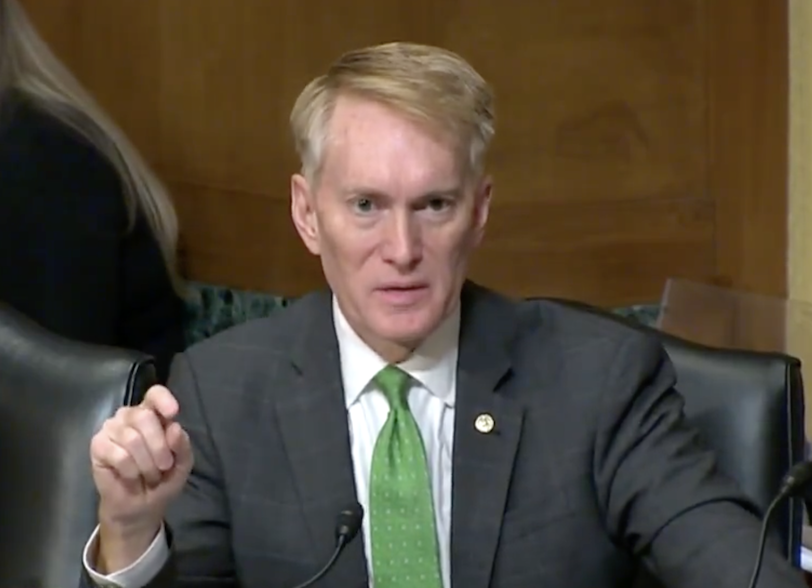
Lawton, OK – Oklahoma Sen. James Lankford is backing the Trump administration’s proposed rollback of Biden-era oil and gas regulations, arguing that the 2024 methane rule imposed excessive costs on energy producers and threatened the continued operation of marginal wells.
Lankford highlighted the proposal in an October 28 post on X, sharing an announcement from EPA Administrator Lee Zeldin that the agency estimates the revisions could save the industry approximately $45 billion.
Oklahoma Sen. Lankford backs Trump administration’s $45 billion methane rule rollback, says EPA proposal will unleash American energy and keep marginal wells in production
“The 2024 methane rule was one-size-fits-all and underestimated its own costs. EPA’s new proposal would save an estimated $45 billion and keep marginal wells in production – big news that will further unleash American energy,” Oklahoma Sen. James Lankford said in an October 29 post on X, backing the Trump administration’s latest effort to roll back Biden-era oil and gas regulations.
Lankford was referring to a proposal announced by President Donald Trump and Environmental Protection Agency Administrator Lee Zeldin on October 27 in Lubbock, Texas. The administration says the revisions could save consumers and businesses an estimated $45 billion while allowing an additional 210 million barrels of U.S. oil production and approximately 1.41 trillion cubic feet of natural gas.
The proposal targets federal regulations finalized under former President Joe Biden in 2024, commonly known as OOOOb and OOOOc, which established requirements for reducing methane emissions from new and existing oil and natural gas operations.
The Biden-era rules required oil and gas operators to monitor and address methane leaks, limit emissions from equipment and reduce the release of natural gas through venting and flaring. They also introduced requirements affecting smaller and marginal wells, which the Trump administration argues could place disproportionate financial burdens on independent producers and family-owned operations.
One of the most significant proposed changes would eliminate the EPA’s Super Emitter Program, which requires companies to investigate and address major methane releases identified through approved remote-sensing technology. The proposal would also provide more flexibility for operators and reduce certain requirements affecting marginal wells.
EPA Administrator Lee Zeldin said the Biden administration’s regulations imposed unnecessary costs on American energy producers and threatened domestic production.
The EPA estimates that the 2024 regulations would have cost approximately $18 billion, while arguing that the latest revisions could deliver $45 billion in savings. The agency also maintains that easing restrictions would help smaller producers keep marginal wells operating instead of shutting them down because of compliance expenses.
However, the proposed rollback has drawn criticism from environmental organizations, which argue that weakening methane requirements could increase pollution and allow companies to leave more natural gas leaking into the atmosphere.
The Associated Press reported that methane accounts for approximately one-third of planet-warming greenhouse gas emissions, according to scientists, and that oil and gas operations are the largest industrial source of the gas.
Under the 2024 Biden-era rule, federal officials estimated that the requirements would prevent approximately 58 million tons of methane emissions by 2038 and generate $98 billion in benefits by 2034. Those projected benefits included estimates of the future effects of greenhouse gas emissions on public health and the environment.
The Environmental Defense Fund also criticized the Trump administration’s proposal, arguing that companies have already wasted billions of dollars’ worth of natural gas through leaks, venting and flaring. The organization estimated that oil and gas operators had leaked, vented or flared approximately $7 billion worth of natural gas since the administration stopped enforcing the methane standards in March 2025.
The Guardian reported that environmental advocates and public-health organizations warned that weaker requirements could increase pollution in communities located near oil and gas operations. Critics also pointed to the potential release of other harmful pollutants, including volatile organic compounds and substances such as benzene and formaldehyde.
The EPA’s announcement is part of the Trump administration’s broader effort to reconsider environmental regulations introduced during the Biden administration and expand domestic oil and natural gas production.
Despite Trump’s announcement that he was terminating the methane regulations, the October 27 action is a proposed revision, not a completed replacement of the existing rule. The EPA has opened the proposal to public comment, with the comment period scheduled to close on December 16, 2026. A virtual public hearing is scheduled for November 16.
Lankford’s support places him among Republican lawmakers backing the administration’s effort to reduce regulatory requirements on oil and gas producers, with the Oklahoma senator arguing that the changes could protect smaller operations while expanding American energy production.