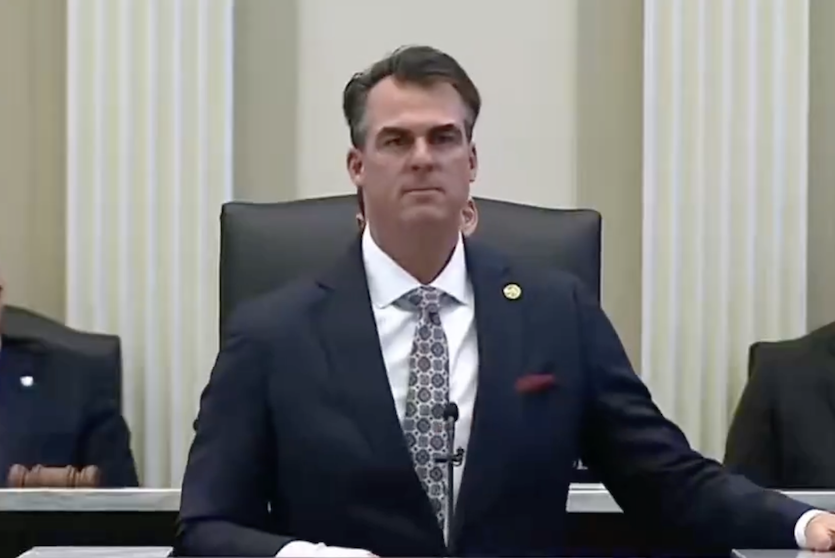
Oklahoma – Oklahoma Gov. Kevin Stitt is defending his call for bipartisan immigration reform after Vice President JD Vance warned that such proposals could amount to amnesty for people who have broken immigration laws, with the Republican governor pointing to the case of an Oklahoma man who had been legally working at Hobby Lobby.
“Thanks VP for bringing governors into the conversation,” Stitt wrote in a November 19 post on X, responding to Vance. “The company and people I want to help are those like Hai Nguyen who was legally working at Hobby Lobby. I want his legal visa to be honored for someone who isn’t a violent criminal. This is not amnesty.”
The exchange followed Stitt’s appeal for President Donald Trump to use his remaining two years in office to pursue bipartisan immigration reform, an effort that has exposed disagreements among Republicans over how to balance tougher enforcement with the treatment of immigrants who are working and contributing to the economy.
Stitt’s proposal, outlined during a November 18 interview with POLITICO, would give state governors greater authority to issue workforce permits to immigrants when employers vouch for them. He argued that governors are closer to the needs of local businesses and industries than federal officials in Washington and should have a greater role in determining which workers can receive authorization.
“We need to have a strong border. We need to know who is coming into our country. We need to vet those people,” Stitt said during the interview, adding that Trump could lead efforts to change the immigration system.
“To me, we’re overthinking it,” the governor continued. “It’s as simple as: If an employer is vouching for an employee, the state governors should be able to issue that workforce permit. Period, end of story.” Stitt also said he supported securing the border and did not believe in automatically granting U.S. citizenship to people who receive work authorization. He argued that both political parties have treated immigration as an issue to campaign on rather than solving problems facing employers and workers.
“Each side thinks they’re winning on it. They raise money off of it. They politic off of it. They try to crush the other side over these issues instead of fixing it for the American people,” Stitt said, linking the political stalemate to the major shift in the November midterm elections. Vance responded the following day, questioning what Stitt meant by bipartisan immigration reform. He said he would support measures aimed at preventing large companies from defrauding the visa system and legislation making it harder for employers to violate immigration laws.
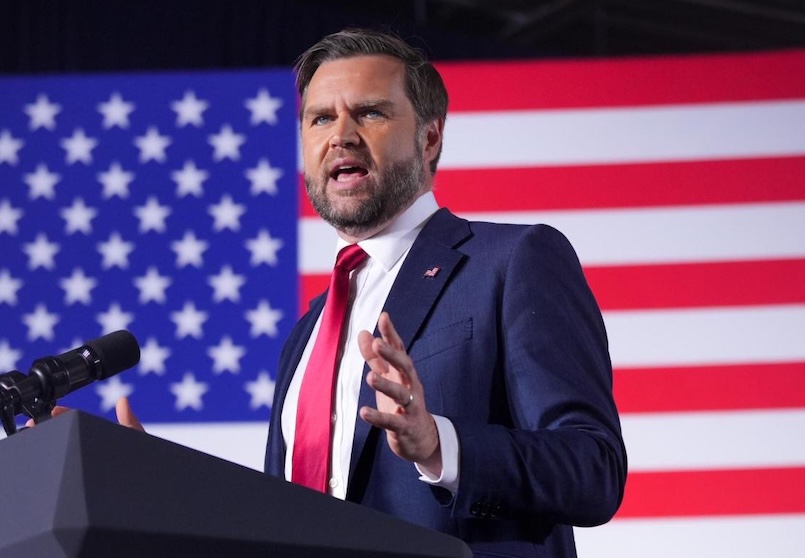
However, the vice president warned that broader proposals could be interpreted as granting amnesty to people who entered or remained in the country illegally.
“But to a lot of people, this sounds like an effort to give amnesty to people who have broken our laws,” Vance wrote. “It is morally and electorally disastrous.” The exchange also comes amid broader discussions within the Republican Party about the direction of Trump’s immigration policies following the midterm elections. President Trump recently indicated he was open to working with Democrats on immigration, telling CBS’s 60 Minutes that his administration’s deportation approach had been too tough and may have hurt Republicans politically. He later reiterated that he would not support amnesty.
Stitt’s response focused on the case of Hai Nguyen, which was detailed in a November 19 report by The Oklahoman. The newspaper reported that Nguyen, an Oklahoma man who had been working at Hobby Lobby with work authorization, was deported to Vietnam under the Trump administration’s enforcement policies. Stitt shared the report to illustrate the type of case he believes should be addressed through immigration reform.
“I’m thrilled the vice president is engaged in this discussion,” Stitt later told The Oklahoman. “But I never said the word ‘amnesty.’ What I’m talking about is people who came here and did everything right; if an employer is vouching for an employee, that is exactly the person we want.”
The disagreement has also drawn reactions from other Oklahoma Republicans. Lt. Gov.-elect T.W. Shannon publicly rejected Stitt’s position, saying the governor did not speak for him or the vast majority of Oklahomans and opposing any form of amnesty, according to KOCO’s coverage of the dispute.
The debate highlights a divide among Republicans over whether immigration reform should focus exclusively on enforcement or also create additional legal pathways for workers needed by American businesses. While Stitt argues that employer-backed work permits could address workforce shortages without automatically granting citizenship, Vance has questioned whether such a system could effectively reward people who violated immigration laws.
Neither the exchange nor Stitt’s proposal represents an enacted change in federal immigration policy. Any such system would require action at the federal level, and the public disagreement has yet to produce an announced agreement between the governor and the vice president.