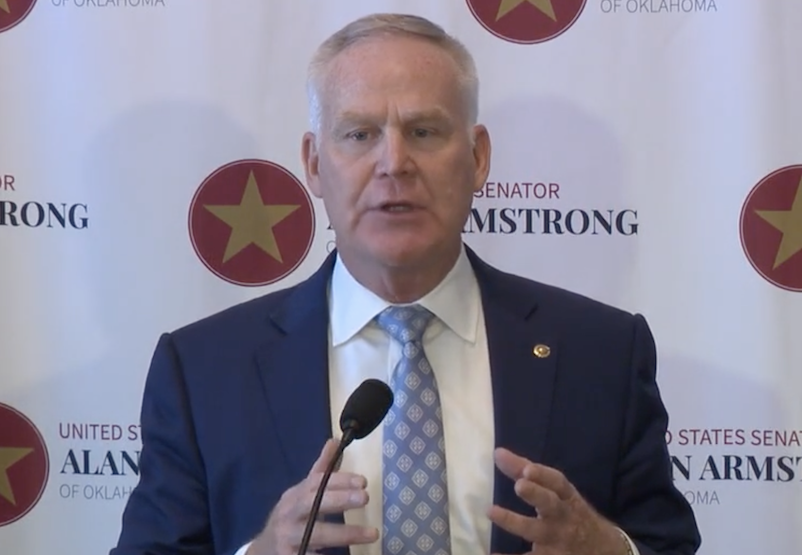
Oklahoma – A growing debate over U.S. energy infrastructure and grid reliability has intensified after Sen. Alan Armstrong warned that rising electricity demand, combined with permitting delays, could lead to widespread power shortages in the coming years. His remarks came as extreme heat conditions placed renewed pressure on energy systems in major cities, including New York.
Armstrong said nationwide electricity demand is expected to increase “astronomically” as industries, data centers, and population growth continue to strain existing infrastructure. He argued that the current permitting process for new energy projects is too slow to meet rising demand, warning that without reforms, “blackouts will become commonplace,” extending beyond large metropolitan areas.
“There’s bipartisan support for permitting reform that will support growth for ALL energy sources,” Armstrong said. “This heat wave is a great reminder that it’s time for Congress to get this done.”
His comments were shared widely across political platforms as extreme temperatures pushed electricity usage higher in several regions of the United States. Energy experts have long cautioned that peak summer demand periods can expose weaknesses in grid capacity, especially when aging infrastructure struggles to keep up with modern consumption patterns such as increased air conditioning use and electrification of transportation.
The warning comes as local officials in New York City have been urging residents to conserve energy during peak hours. New York City Mayor Zohran Mamdani issued a public advisory encouraging residents to reduce electricity usage where possible during the ongoing heat wave.
“New York: it’s hot out there, and the power grid is working overtime to keep us cool,” Mamdani wrote in a public statement. He urged residents to set air conditioners to 78 degrees, turn off unused lights and electronics, and unplug devices when possible.
The city also announced coordinated conservation efforts across public buildings, including maintaining temperature guidelines, dimming or shutting off non-essential lighting during peak hours, and asking private partners to follow similar practices. Officials said these measures are intended to reduce strain on the grid and prevent potential outages during periods of extreme heat.
“A stable grid means the AC stays on, and lives are saved,” Mamdani said, emphasizing the importance of collective action to manage electricity demand.
The contrasting messages from federal and local leaders highlight two sides of the same issue: short-term conservation efforts versus long-term infrastructure challenges. While city officials focus on immediate demand reduction during heat waves, lawmakers like Armstrong are calling attention to structural constraints in energy development that they say must be addressed at the federal level.
Energy analysts note that the U.S. power grid is facing mounting pressure from multiple sources, including rising residential demand, increased industrial electrification, and the rapid expansion of energy-intensive technologies such as artificial intelligence data centers. These factors, combined with slow permitting timelines for new generation and transmission projects, have fueled bipartisan discussions in Congress about potential reforms.
Proposed legislation has included streamlining environmental reviews, accelerating approvals for transmission lines, and expanding incentives for both renewable and traditional energy sources. Supporters argue that such reforms are necessary to prevent future reliability issues, while critics caution that environmental protections and community input must not be weakened.
As the heat wave continues, both federal warnings and local conservation efforts underscore a shared concern: ensuring that the U.S. electrical grid can meet rising demand without compromising reliability. For now, officials on both levels are urging immediate conservation while policymakers continue debating long-term solutions.