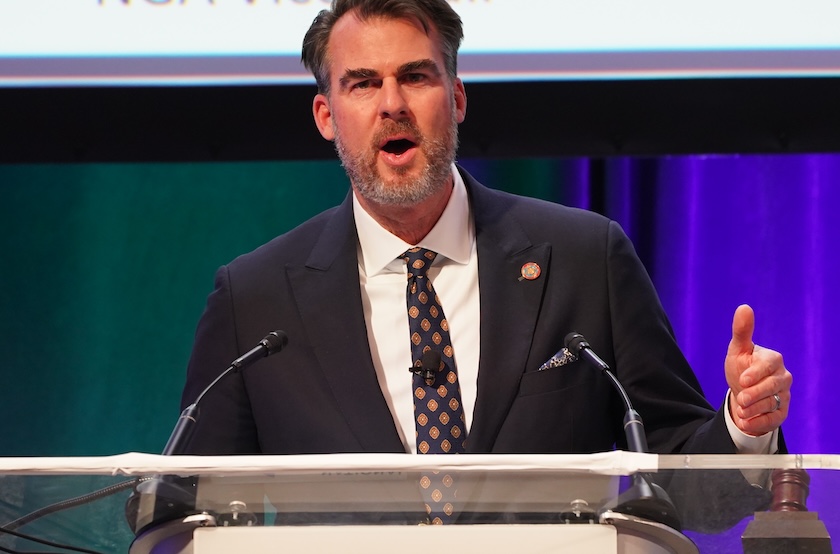
Oklahoma – “This is the kind of content that doesn’t need to be funded by taxpayer dollars. That’s why I vetoed funding of OETA this session,” Governor Kevin Stitt said in a post responding to a Sesame Street message celebrating Pride Month.
Governor Kevin Stitt issued the statement on social media following a post from Sesame Street’s official account recognizing Pride Month and encouraging support for LGBTQIA+ members of the community. The governor used the post to reiterate his decision to veto funding for the Oklahoma Educational Television Authority (OETA), the state’s public broadcasting network.
The exchange highlighted ongoing debates in Oklahoma and other states over the role of publicly funded media and the types of programming and messaging it should support. Stitt’s comments framed his veto as a response to content he believes should not be supported with taxpayer dollars, tying the decision directly to the broader discussion around public broadcasting funding.
OETA, Oklahoma’s statewide public television network, operates as a member station of the Public Broadcasting Service (PBS). Like other PBS affiliates across the country, it airs educational programming for children and families, including widely recognized programs such as Sesame Street, which is produced by Sesame Workshop in partnership with PBS.
Sesame Street has long been a flagship educational program aimed at early childhood development, focusing on literacy, emotional learning, and social awareness. In recent years, the program has also acknowledged cultural observances and community themes, including Pride Month, which celebrates LGBTQIA+ identities and communities. The post referenced by the governor was part of that broader messaging.
Supporters of public broadcasting argue that programs like Sesame Street provide valuable educational content that is accessible to children regardless of income level, particularly in rural and underserved areas. Public media advocates also emphasize that stations like OETA serve an important role in delivering educational programming, emergency alerts, and local content across Oklahoma.
Critics of public broadcasting funding, including Governor Stitt in this case, argue that taxpayer dollars should not be used to support programming or messaging they view as politically or socially controversial. The governor’s veto of OETA funding earlier in the legislative session was presented as part of a broader effort to reduce or redirect state spending.
The statement quickly drew attention online, adding to a growing national conversation about the intersection of public funding, media content, and cultural issues. While supporters of the veto emphasized fiscal priorities and parental choice in media consumption, opponents have argued that cutting funding could limit access to educational programming for children who rely on free public television services.
As of now, OETA continues to operate as part of the PBS network, providing educational and informational programming to households across Oklahoma. The debate over its funding and role is expected to continue in future legislative sessions as policymakers revisit state budget priorities and public media support.